
Coconut Harvesting in Thailand
As we are The Coconut Kitchen, we felt that we needed to comment on the issue monkeys being used for coconut harvesting in Thailand. A social media campaign was launched in July 2020 based on findings by the US based organisation, People for the Ethical Treatment of Animals (PETA). Their campaign has convinced many UK supermarkets to put a blanket ban all coconut products made in Thailand.
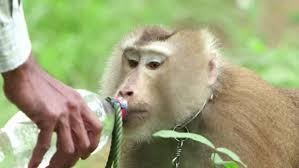
While the video that was posted by PETA and also promoted by Carrie Symmonds does indeed show some monkeys being cruelly mistreated in what looks like a very small farm, the claim by PETA, after apparently visiting 8 coconut farms (0.5% of all coconut farms in Thailand) is very misleading and untrue. PETA claim that if you use a coconut product from Thailand then it is more than likely that the coconuts were harvested by monkeys and that these monkeys are mistreated.
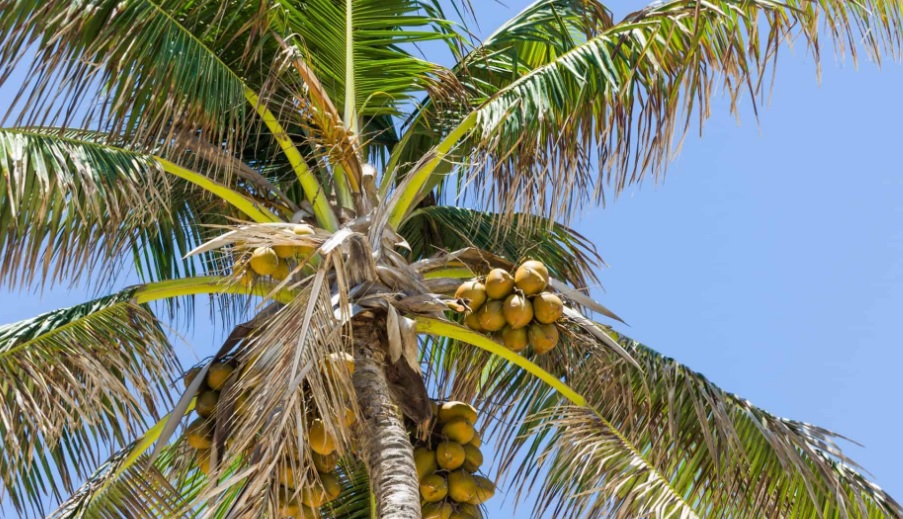
It is true that sometimes monkeys are used as part of a human / monkey team of coconut pickers in some small farms. Most commercial coconut trees over the years have been crossbred shorter than they used to be. This allows their fruit to be harvested easily by humans. Sometimes monkeys are used to get to the coconuts at the top of very tall trees that the humans can’t reach. But the vast majority of these monkeys are treated as pets and are part of the family. They are fed, watered, groomed and even massaged by the owners!
However, the reality is that monkeys just aren’t as effective as other harvesting methods so they are NOT used in the vast majority of coconut farms. Certainly not those that supply coconuts to factories on a large scale. While there might be some instances of cruelty which should definitely be singled out it is unfair to the vast majority of the industry, that does not use monkeys, to be tarred with the same brush.
CRAZY IN THE COCONUT
If anyone wants to use the argument that monkeys are used as cheap labour then this just does not stack up. A monkey can climb a tree and pick a single coconut but a team of 2 humans using a long bamboo pole with a sharp knife attached can cut down a whole bunch in less than 30 seconds!
While the use of monkeys might have been more prevalent in the past, Thailand addressed the whole issue about animal cruelty years ago. The Thai Society for the Prevention of Cruelty to Animals (TSPCA) campaigned for 20 years to get tougher laws imposed. Eventually, legislation was passed on 27th December 2014 which imposes a punishment, on animal rights violators, of a 2 year jail term. They can also be fined of up to Bt40,000 (£1000).
This law defines cruelty as, “any action which causes an animal to suffer physical or mental torture, pain, illness, disablement or death, including using a disabled, ill, aged, or pregnant animal for labour or show work, and prohibits such actions. Animals covered are domestic pets, and animals kept for food, work or entertainment purposes.”
FIND THEM, PUNISH THEM
So if PETA did find these farms then why not inform the authorities and get the individuals convicted and punished instead of punishing a whole county?
Is it not true that in every industry and culture that there are instances of animal cruelty? In the UK there have been in the past, reports of dairy cows being mistreated, or of slaughter houses not killing livestock humanely. So individual farms and farmers are singled out and are quite rightly brought to justice. But would we ever think of placing a blanket ban all milk sold due to 1 or 2 farms being found guilty of animal cruelty? No, we wouldn’t as this would be massively unfair on the other farmers that care for their herds.
Well, this is exactly what PETA has achieved and now the livelihoods of hundreds of farmers and supporting industries are now under threat in Thailand. Not to mention that the culture and integrity of a whole nation has been cruelly and unjustly hit.
So I hope that we can see that while any mistreating of animals should definitely be punished and an investigation should be launched, this kind of attack on a country and culture is not proportionate.
Our Guarantee
And just so you know, we work closely with our partner in Thailand and we can guarantee that no monkeys are used in the harvesting of the coconuts that our used for our coconut milk.
Check out this YouTube video to see how coconuts are usually harvested in Thailand and I’m sure you will see with this method, why would you need monkeys!?